
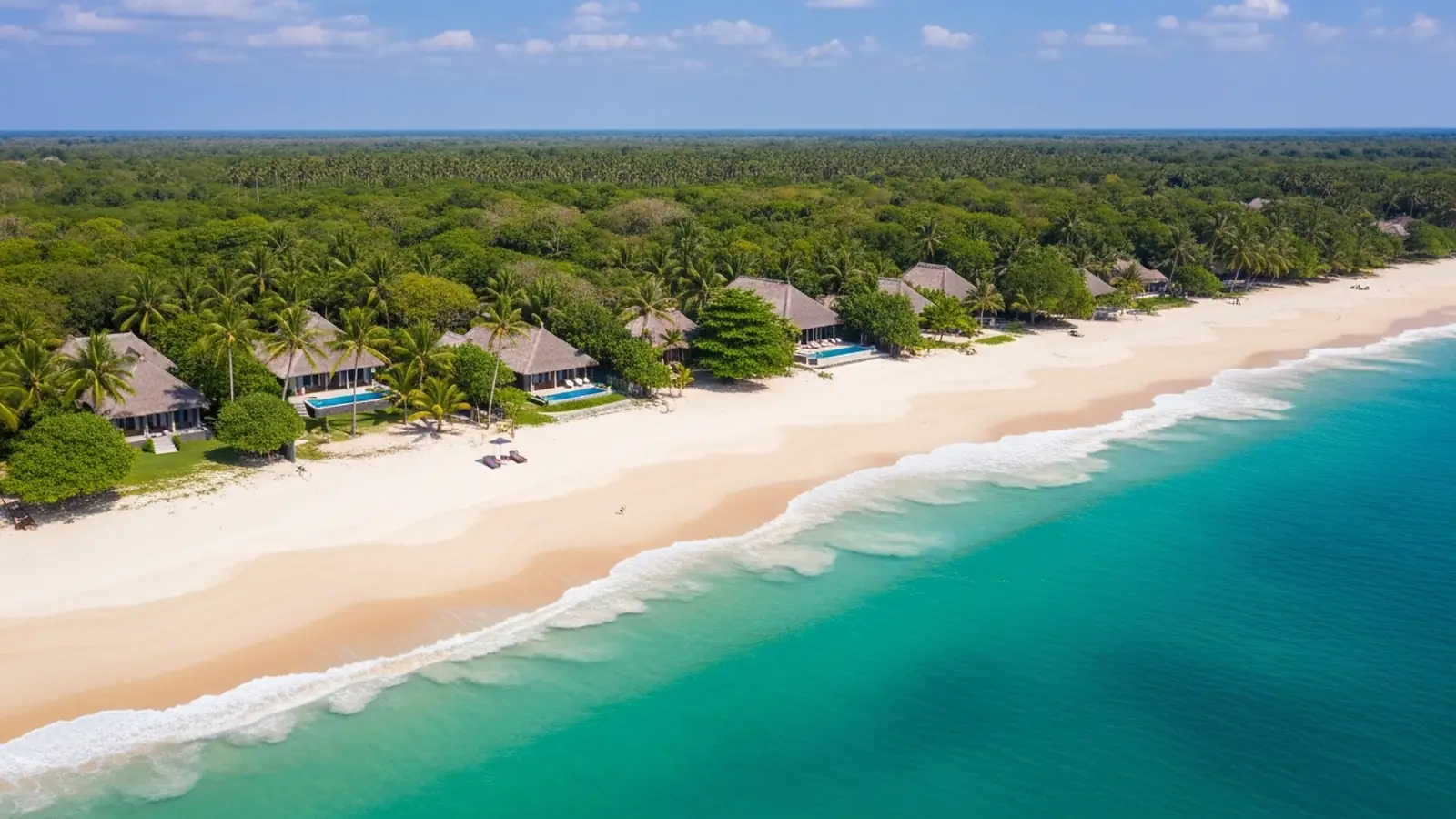
 Sumba Island · Beachfront Properties
Explore Exclusive Sumba Beach Land Opportunities
Invest in prime beachfront properties on Sumba Island, offering unparalleled views and potential for high returns. Ideal for luxury resorts, private villas, or exclusive retreats.
What type of property interests you?
Tell us your preferences and we'll guide you to the best investment options.
Investing in Sumba beach land presents a compelling opportunity for savvy investors looking to capitalise on the rising demand for luxury tourism in Indonesia’s emerging destinations. With prices significantly lower than South Bali, Sumba offers attractive prospects for beachfront and ocean-view properties, particularly for those interested in sustainable and community-focused developments. As the region continues to grow, understanding the investment landscape is crucial for making informed decisions.
Understanding Sumba’s Investment Landscape
Sumba Island, located east of Flores and south of Komodo, is rapidly gaining attention as a prime location for property investment. The island is marketed as being 60–70% cheaper than Bali for beachfront land, with prices starting from around USD 63,000–69,000 for entry-level sea-view or beach parcels. This affordability, combined with the island’s natural beauty and potential for high-yield tourism, makes Sumba an attractive destination for investors. Sumba’s tourism model focuses on luxury villas and boutique hotels, which are advertised with nightly rates around USD 250–500+, reflecting a high-yield, low-density approach. The island’s limited grid infrastructure necessitates the use of independent power sources, such as solar and generators, as well as private water and wastewater systems. These factors contribute to higher capex compared to urban Bali, but also offer unique opportunities for eco-friendly and sustainable development. Investors should consider these aspects when evaluating the potential of Sumba beach land for their portfolios.
Navigating Legal Structures for Foreign Investment
Foreign investors face specific challenges when acquiring property in Indonesia, as they cannot directly own freehold land. Instead, they typically use structures such as foreign-owned limited liability companies (PMAs), long-term leases (Hak Sewa), or nominee arrangements to control property. For Indonesian citizens and entities, freehold titles are available as Hak Milik, while foreign-investment companies can obtain Hak Guna Bangunan (HGB) or Hak Pakai (right to use/build) on state or private land. Understanding these legal frameworks is crucial for investors looking to secure Sumba beach land. Specialist local firms, such as “Investment Labuan Bajo,” offer assistance with company registration, legal structuring, and due diligence on titles, ensuring a smooth investment process. These services are invaluable for navigating Indonesia’s complex property laws and ensuring compliance with local regulations. By leveraging local expertise, investors can minimise risks and maximise the potential of their Sumba beach land investments.
Prime Locations and Pricing Trends
Sumba’s beachfront and ocean-view properties are competitively priced compared to established tourism hubs like Bali. Land listings for smaller plots around Labuan Bajo start from roughly USD 60,000–70,000, with larger prime or front-row beaches commanding higher prices. In Sumba, similar properties are marketed as up to 70% cheaper than Bali, offering significant value for investors. The island’s emerging status as a luxury tourism destination is driving demand for resort and villa development, with certified beachfront land plots actively marketed for these purposes. Agencies highlight key selling points such as freehold titles, IMB/building permits, and tourism zoning suitability for international buyers. As tourism infrastructure in the region continues to improve, particularly around Labuan Bajo’s expanded Komodo Airport and harbor, property values are expected to rise. Investors should monitor these trends and consider the potential for capital appreciation when evaluating Sumba beach land opportunities.
Infrastructure and Accessibility
Sumba’s tourism infrastructure is still developing, with limited grid connectivity outside main towns. As a result, many beachfront investments require independent power solutions, such as solar panels and generators, as well as private water wells or desalination systems. This presents both challenges and opportunities for investors seeking to develop eco-friendly and sustainable projects. Access logistics typically involve domestic flights to Komodo Airport in Labuan Bajo from Bali (Denpasar) and Jakarta, followed by boat transfers to nearby islands. This makes air connectivity a critical factor for investment viability. The Indonesian government has promoted Labuan Bajo as a “priority tourism destination,” leading to increased infrastructure investment and regulatory attention. These developments enhance the region’s attractiveness for investors, but also necessitate compliance with stricter regulations. By staying informed about infrastructure improvements and accessibility, investors can better assess the potential of Sumba beach land for their projects.
Sustainable and Eco-Friendly Development
Sumba and other lesser-developed islands in the region are ideal for sustainable and eco-friendly development. The Indonesian government encourages eco-resorts, boutique hotels, and community-based tourism projects, often emphasising small-scale, sustainable architecture and partnerships with local villages. Environmental and coastal regulations restrict building too close to the high-tide line, and projects must consider setback rules, mangrove protection, and cliff stability. These considerations impact the usable area on beachfront plots but also present opportunities for innovative and environmentally responsible design. By aligning with these principles, investors can create unique and attractive developments that appeal to the growing market for sustainable tourism. Sumba’s natural beauty and cultural heritage offer a rich backdrop for such projects, enhancing their appeal to discerning travellers and investors alike.
Maximising Returns Through Long-Term Leases
Long lease terms in Sumba and surrounding regions can reach up to 70–80 years, typically structured as an initial lease plus extensions. This offers long-term security for foreign villa or resort investors, allowing them to maximise returns over an extended period. The high-yield, low-density tourism model prevalent in these areas, with luxury villas and boutique hotels commanding significant nightly rates, further enhances the potential for attractive returns. By securing long-term leases on Sumba beach land, investors can capitalise on the island’s growth as a luxury tourism destination while enjoying the benefits of stable and predictable income streams. This approach aligns with the region’s emphasis on sustainable and community-focused development, creating a win-win scenario for investors and local communities.
Conducting Due Diligence and Risk Management
Thorough due diligence is essential for mitigating risks and ensuring successful investments in Sumba beach land. Foreign investors are advised to conduct land due diligence via local notaries (PPAT) and licensed surveyors, verifying title status, land boundaries, zoning, and any adat (customary) claims. This is particularly important in Flores, Komodo region, and Sumba, where traditional land rights can be complex. Additionally, investors should be aware of environmental and coastal regulations that restrict building too close to the high-tide line, as well as the need for independent power and water systems due to limited grid infrastructure. By addressing these factors, investors can minimise risks and ensure compliance with local regulations, paving the way for successful and sustainable developments.
In conclusion, Sumba beach land offers a unique and affordable investment opportunity for those looking to enter Indonesia’s emerging luxury tourism market. With prices significantly lower than Bali, attractive long-term lease options, and a focus on sustainable development, Sumba presents a compelling case for investment. To learn more about how you can capitalise on this opportunity, visit our About Us page or explore our Guides for detailed insights. For specific property listings, check out our Sumba Beachfront Property and Sumba Luxury Villas pages. Ready to take the next step? Contact us today to start your investment journey.